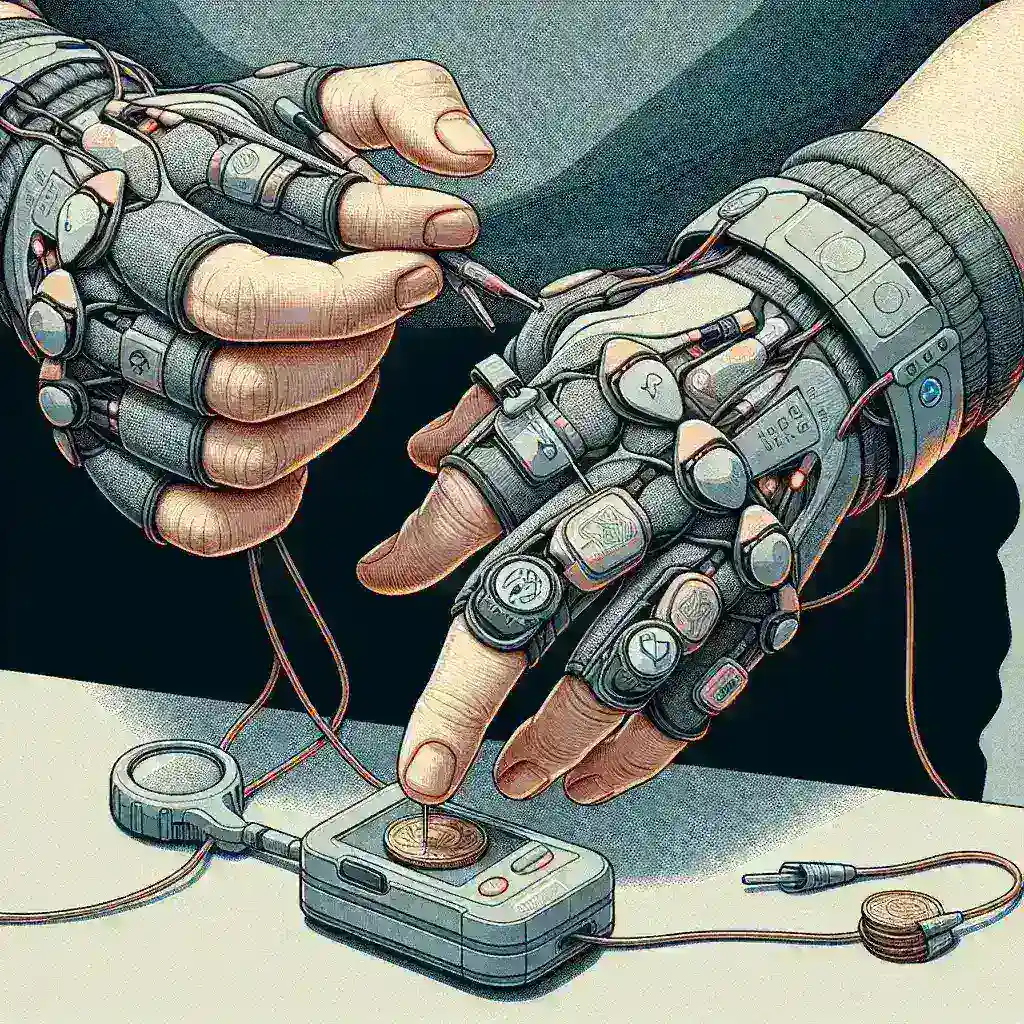
Parkinson’s disease is a neurodegenerative disorder that affects millions of people worldwide. As the condition progresses, individuals often experience a decline in motor skills, leading to difficulties in daily activities. Fortunately, recent advancements in technology have paved the way for innovative solutions to restore fine motor control. One such development is the wearable exoskeleton gloves specifically designed for Parkinson’s patients. These devices not only offer hope but also represent a significant leap in assistive technology.
Understanding Parkinson’s Disease
Parkinson’s disease primarily affects movement, causing a range of symptoms such as tremors, stiffness, and balance issues. One of the most challenging aspects of the disease is the loss of fine motor control, which can severely impact a person’s ability to perform daily tasks such as writing, buttoning clothes, or even eating. Researchers have identified the need for effective interventions to help improve the quality of life for patients coping with these challenges.
The Role of Wearable Exoskeleton Gloves
Wearable exoskeleton gloves are cutting-edge devices designed to enhance motor function in individuals suffering from various conditions, including Parkinson’s disease. These gloves incorporate advanced robotics and sensor technology to assist users in performing tasks that require precision and dexterity.
How Do Wearable Exoskeleton Gloves Work?
The technology behind exoskeleton gloves consists of several key components:
- Actuators: These are mechanical devices that provide movement assistance. In exoskeleton gloves, actuators help guide the fingers and hand in performing specific tasks.
- Sensors: Equipped with motion sensors, these gloves can detect the user’s movements and adjust the level of support needed in real time. This feedback loop allows for a more natural and intuitive experience.
- Control Systems: The control systems interpret data from the sensors and coordinate the actuators to create seamless movement. This integration is vital for ensuring that the gloves respond accurately to the user’s intentions.
Benefits of Wearable Exoskeleton Gloves
Wearable exoskeleton gloves offer several notable benefits for Parkinson’s patients:
- Restored Independence: By assisting with fine motor tasks, these gloves enable users to regain independence in daily activities, reducing their reliance on caregivers.
- Improved Quality of Life: Enhanced motor control leads to increased confidence and satisfaction in performing everyday tasks, contributing to overall well-being.
- Tailored Support: The gloves can be customized to meet the unique needs of each user, allowing for a more personalized experience.
Real-World Impact
Numerous case studies have highlighted the effectiveness of wearable exoskeleton gloves in improving fine motor skills among Parkinson’s patients. For instance, a recent pilot program demonstrated significant improvements in participants’ ability to write and grasp objects. Feedback from users indicated that the gloves not only helped with functionality but also boosted their self-esteem and motivation.
Challenges and Considerations
Despite their benefits, wearable exoskeleton gloves are not without challenges:
- Cost: The development and manufacturing of these advanced devices can be expensive, potentially limiting access for many patients.
- Training and Adaptation: Users may require time and training to adapt to the technology, as it can initially feel foreign.
- Battery Life: Depending on the design, battery life can be a concern, necessitating regular charging to ensure that the gloves remain functional throughout the day.
The Future of Wearable Technology in Parkinson’s Care
The future of wearable technology in healthcare appears promising. As research continues and technology evolves, we can anticipate improvements in the design and functionality of exoskeleton gloves. Emerging innovations may include:
- Enhanced Durability: Future models are likely to be designed with more robust materials that withstand daily wear and tear.
- AI Integration: The integration of artificial intelligence may lead to smarter devices that can learn and adapt to the user’s specific needs over time.
- Telehealth Capabilities: With the growth of telemedicine, wearable devices may soon offer remote monitoring features, allowing healthcare professionals to track patients’ progress and provide real-time feedback.
Conclusion
Wearable exoskeleton gloves represent a significant advancement in aiding Parkinson’s patients with fine motor control. By restoring independence and improving quality of life, these innovative devices have the potential to change the way individuals experience daily activities. As technology continues to advance, we can only hope for even more effective solutions that empower those living with Parkinson’s disease to lead fulfilling lives.
In the quest for better healthcare solutions, the integration of robotics and wearable technology stands as a testament to human ingenuity and the relentless pursuit of enhancing life quality for all.
