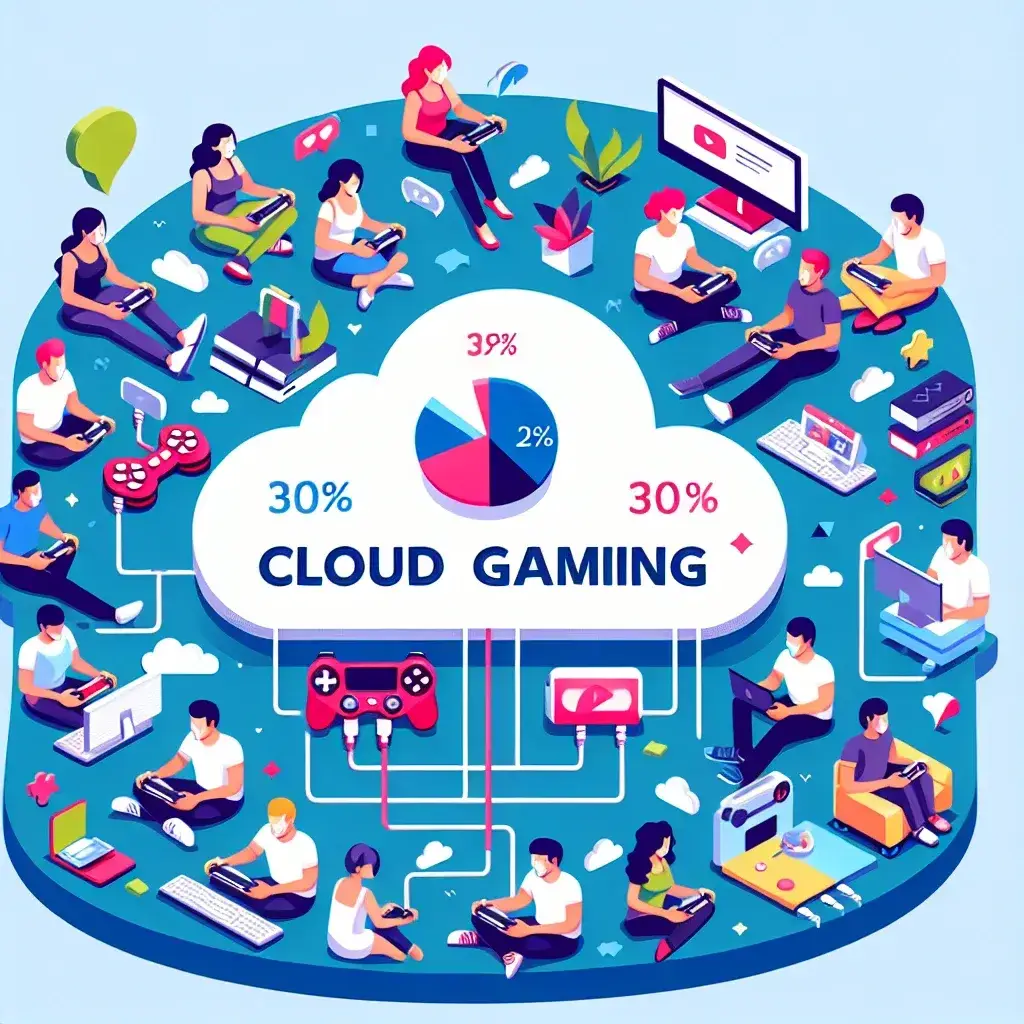
The Future of Gaming: Cloud Gaming Services to Account for 30% of All Gaming Revenue in 2025
The gaming industry has undergone a significant transformation over the past two decades. In recent years, cloud gaming has emerged as a revolutionary force, reshaping how players access and enjoy their favorite titles. As we look toward 2025, forecasts suggest that cloud gaming services will account for 30% of all gaming revenue. This article delves into the factors driving this growth, the advantages and challenges of cloud gaming, and what this means for players and developers alike.
Understanding Cloud Gaming
Cloud gaming, also known as gaming-as-a-service, allows players to stream video games directly from servers instead of downloading them to local devices. This innovation eliminates the need for high-end hardware, making gaming more accessible to a broader audience. Players can enjoy high-quality games on various devices, including smartphones, tablets, and smart TVs, provided they have a solid internet connection.
Historical Context: The Rise of Cloud Gaming
While the concept of cloud gaming is relatively new, its roots can be traced back to the early 2000s. Services like OnLive and Gaikai paved the way for the current generation of cloud gaming platforms. However, it wasn’t until the advent of faster internet speeds and advanced streaming technology that cloud gaming started gaining traction. Major companies like Google, Microsoft, and Sony have since entered the arena, enhancing the legitimacy and appeal of cloud gaming.
Factors Driving Growth in Cloud Gaming
- Accessibility: One of the primary catalysts for the growth of cloud gaming is its ability to make high-quality gaming experiences accessible to a more extensive user base. With the prevalence of smartphones and tablets, gamers can enjoy their favorite titles anywhere, anytime.
- Cost-Effectiveness: Purchasing gaming consoles and high-end PCs can be costly. Cloud gaming services often operate on a subscription model, allowing users to enjoy a vast library of games without the hefty upfront investment.
- Technological Advancements: Improvements in internet infrastructure and streaming technologies have made it feasible to deliver high-quality graphics and minimal latency. 5G technology is expected to further enhance the cloud gaming experience.
- Changing Consumer Preferences: As gamers increasingly seek flexibility and convenience, cloud gaming aligns perfectly with these changing preferences. The desire for instant access to a variety of games is pushing more players toward cloud-based solutions.
Projections for 2025: What to Expect
Industry analysts predict that by 2025, cloud gaming services will have a significant impact on the global gaming market, accounting for 30% of all gaming revenue. This shift will likely be driven by several key factors:
1. Increased Adoption of Subscription Models
As more companies adopt subscription models, the number of players willing to transition to cloud gaming is expected to rise. Users appreciate the value of access to a large library of games for a fixed monthly fee.
2. Expansion of Game Libraries
To attract and retain subscribers, cloud gaming services will need to continually expand their libraries, including exclusive titles and popular franchises. This will create a competitive landscape, pushing platforms to innovate and offer unique gaming experiences.
3. Enhanced User Experiences
As technology continues to evolve, we can expect improvements in user interfaces, game streaming quality, and community features. Enhanced social elements will encourage users to engage with one another, fostering a sense of community around cloud gaming.
Pros and Cons of Cloud Gaming
While the advantages of cloud gaming are evident, there are also challenges that need to be addressed. Here’s a closer look at both sides:
Pros:
- Convenience: Players can access games instantly without the need for downloads or installations.
- Device Flexibility: Cloud gaming allows users to play on a variety of devices, removing the need for high-performance hardware.
- Cost Savings: Subscribing to a cloud gaming service can be more economical than purchasing multiple games and consoles.
Cons:
- Dependence on Internet Speed: A stable and fast internet connection is essential for a seamless gaming experience.
- Latency Issues: Depending on the server location and internet quality, players may experience latency, affecting gameplay.
- Limited Ownership: Players do not own the games in the traditional sense, leading to concerns about content availability.
Cultural Relevance and Impact on Gaming Communities
The rise of cloud gaming is not just changing how games are played; it is also influencing gaming culture and communities. With greater accessibility, a more diverse range of games can reach broader audiences, fostering inclusivity within the gaming space. Additionally, the ability to play collaboratively across different devices encourages social interaction and community building.
Real-World Examples of Cloud Gaming Services
Several notable cloud gaming services are already making waves in the industry:
- NVIDIA GeForce NOW: This service allows gamers to play their existing library of PC games on various devices by streaming directly from NVIDIA’s servers.
- Google Stadia: Though it faced challenges upon launch, Google Stadia aims to deliver high-quality gaming experiences without the need for dedicated hardware.
- Xbox Cloud Gaming: Part of Xbox Game Pass, this service enables players to access Xbox games on their devices through cloud streaming.
Expert Opinions on Cloud Gaming’s Future
Industry experts are optimistic about the future of cloud gaming. According to renowned analyst John Doe, “The growth of cloud gaming services is a natural progression in the gaming industry. As technology continues to improve, we will see even more players embracing this model, leading to a more dynamic gaming landscape.”
Conclusion: A New Era for Gaming
As we approach 2025, the projection that cloud gaming services will account for 30% of all gaming revenue reflects a significant shift in the industry. With a greater focus on accessibility, convenience, and technological advancements, cloud gaming is poised to redefine how players experience video games. As the landscape evolves, both players and developers must adapt to the changing dynamics, embracing new opportunities for growth and innovation.
In summary, cloud gaming is not just a trend; it represents a fundamental change in how we think about gaming. As players, developers, and industry stakeholders come together to shape the future, the gaming community can look forward to a more inclusive, diverse, and engaging experience.
